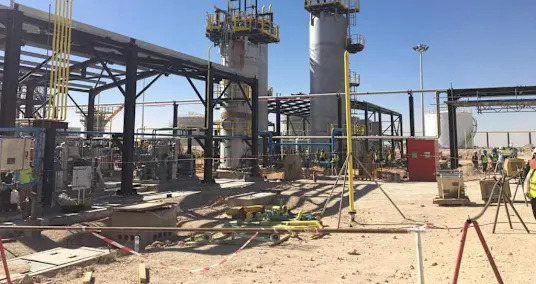
Africa’s energy producers are emerging as unexpected long-term beneficiaries of the Middle East conflict, according to oil analysts.
Angola, Mozambique, and Nigeria are among nations increasingly viewed by European and Asian buyers as lower-risk alternatives to disrupted supplies: With the Strait of Hormuz and Red Sea now high-risk routes, African volumes carry lower insurance premiums and more predictable delivery times — structural advantages that could reshape long-term supply contracts.
Africa’s liquefied natural gas sector stands to gain most; export capacity is projected to more than double by 2040, according to the African Energy Chamber. The crisis could also accelerate long-delayed projects, including the Trans-Saharan pipeline designed to carry Nigerian gas through Niger and Algeria to Europe, which has been beset by safety and security concerns in the Sahel region.
Horizon Engage risk analyst Clementine Wallop warned, however, that while Africa was a “logical place to look,” the risks some of these projects have faced — security, political, or logistical in nature — “show that this is not a quick fix.”
Potential gains for producer nations are nevertheless cold comfort for millions of ordinary Africans: The conflict has sent Brent crude surging more than 50% to around $110 a barrel, and since most African countries are net importers of refined oil products, the price shock has been swift and severe.

LATEST POSTS
- 1
 Current Chateaus: Advancement and Style
 - 2Israeli tourist data from 2025 misrepresented as mass exodus to Thailand
- 3The Way to Monetary Freedom: A Viable Aide
- 4See the famous winged horse Pegasus fly in the autumn night sky
- 5Turkey's Erdogan denounces Israel-Greece-Cyprus trilateral summit, affirms support for Gaza




- Rebecca Gayheart on her 'very complicated' relationship with Eric Dane: 'I am always going to want the best for him'
- 5 Breakout Stars in Ongoing television Series
- Scientists discover black hole flare with the light of 10 trillion suns
- Bronze Age "City of Seven Ravines" unearthed in central Asia after 3,500 years
- A definitive Manual for 2024's Most In vogue Wedding Dresses
- Katz, IDF: We assassinated IRGC intelligence chief Majid Khademi
- Humanity is back at the moon! Artemis 2 astronauts arrive in lunar space
- Figure out how to Use Your Brain research Degree in the Gig Market
- NASA is shooting for the moon. A guide to the Artemis II mission