NEED TO KNOW
Representatives from 132 countries and the EU met in Brazil to address threats to migratory species
Species receiving new protections include cheetahs, snowy owls, striped hyenas, giant otters, and great hammerhead sharks
Habitat loss, climate change, and pollution are driving declines in many species protected under the treaty
Forty at-risk animal species are gaining new protections from the United Nations.
At a U.N. wildlife conservation meeting in Campo Grande, Brazil, on March 29, the Convention on the Conservation of Migratory Species of Wild Animals (CMS) adopted several measures to strengthen global and regional conservation efforts for species at risk of extinction. The summit brought together representatives from 132 countries and the European Union.
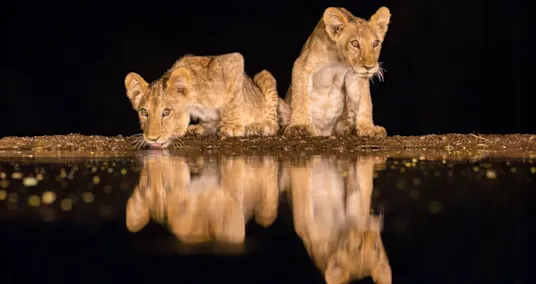
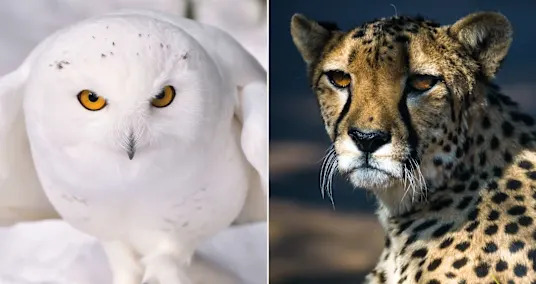
The list of animals that benefit from these new measures includes cheetahs, snowy owls, spotted hyenas, great hammerhead sharks, and several shorebird species.

Credit: Alexis Rosenfeld/Getty
"From cheetahs and striped hyenas to snowy owls, giant otters and great hammerhead sharks, CMS Parties have backed stronger international action as new evidence shows many migratory species are moving closer to extinction," the CMS wrote in an X post.
Parties at the conservation meeting agreed to list the 40 additional species on CMS lists of species in danger of extinction and species in need of coordinated international action. The CMS lists now include over 1,200 unique species.
The week-long conference opened with new findings showing that many treaty-protected species continue to trend downward due to habitat loss, overexploitation, and infrastructure barriers, accelerating declines across species that span national borders.

Credit: VOLKER HARTMANN/DDP/AFP via Getty
The group also addressed a growing need to combat threats such as deep-sea mining, climate change, plastic pollution, underwater noise, illegal wildlife killing, fisheries, and marine pollution.
Never miss a story — sign up for PEOPLE's free daily newsletter to stay up-to-date on the best of what PEOPLE has to offer, from celebrity news to compelling human interest stories.
"We came to Campo Grande knowing that the populations of half the species protected under this treaty are in decline," CMS Executive Secretary Amy Fraenkel said in a statement.
"We leave with stronger protections and more ambitious plans, but the species themselves are not waiting for our next meeting. Expanded protections for striped hyena, snowy owls, giant otters, great hammerhead sharks, and many more demonstrate that nations can act when the science is clear. Our duty now is to close the distance between what we've agreed and what happens on the ground for these animals," she added.
Read the original article on People
LATEST POSTS
- 1
 Step by step instructions to Get the Best Vehicle Rent Arrangement: Insider Tips and Systems
 - 2US FDA unveils new pathway to approve personalized therapies
- 3How many ships have been attacked in the Gulf since start of Iran war?
- 4Shooting of MIT professor Nuno Loureiro has police searching for a suspect
- 5How comfort foods trigger pleasure in our brains





- Dick Van Dyke shares his secrets to longevity as he turns 100
- Noctourism: the new safari travel trend that's changing the wildlife we can photograph in Africa
- Novo and Lilly cut prices of weight-loss drugs in China
- Selena Quintanilla documentary 'Selena y Los Dinos: A Family's Legacy' is coming to Netflix
- French lawmakers narrowly approve health care budget, suspending Macron's flagship pension reform
- Mexico says a third of 130,000 missing people might be alive, fueling criticisms by families
- Czech Republic caps fuel prices amid Iran war energy crisis
- EU states agree first step for Ukraine reparations fund
- Spain breaks jobs record with 22 million Social Security contributors