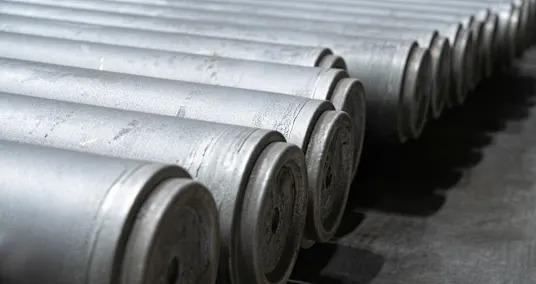
Fears of global aluminium shortages that could affect the production of clean energy technologies intensified after Iran struck two major Gulf aluminium producers, sending prices to a four-year high. The Middle East accounts for 9% of the world’s production of aluminum, which is essential to a wide range of industries from transportation, construction, and packaging, as well as the manufacture of solar panels, electrical transmission systems, wind turbines, and EVs.
Export shipments to the US and Europe had already come to a halt because of the effective closure of the Strait of Hormuz, and Morgan Stanley economists singled out aluminium as carrying a high level of risk across the value chain. Andy Farida, an aluminium analyst at Fastmarkets, told Semafor that high prices would be passed on to end-users, ultimately causing demand destruction. “A prolonged shutdown (with little to no alternative supplies other than Russia and China) could cripple the supply of aluminium to support the production of clean and green technology,” he said, adding that relief could come “if governments allow some sanctioned Russian and Chinese aluminium to be imported.”

LATEST POSTS




 What is ‘Auld Lang Syne’? Why we sing this song at midnight on New Year’s Eve.
- Trump signs bill allowing whole milk to return to school lunches
- Figure out What Experience Level Means for Medical caretaker Compensation Dealings
- Regeneron's experimental therapy combo effective in untreated cancer patients
- Ukrainian drones hit all three Baltic States − did Russia redirect them?
- Discovery of ancient pleasure boat reveals Egypt's maritime history
- The Most Moving TED Talks You Want to Watch
- Israel explores creation of int'l force with Greece, Cyprus to deter Turkey
- Find the Advantages of Innovative Leisure activities: Supporting Creative mind and Self-Articulation